
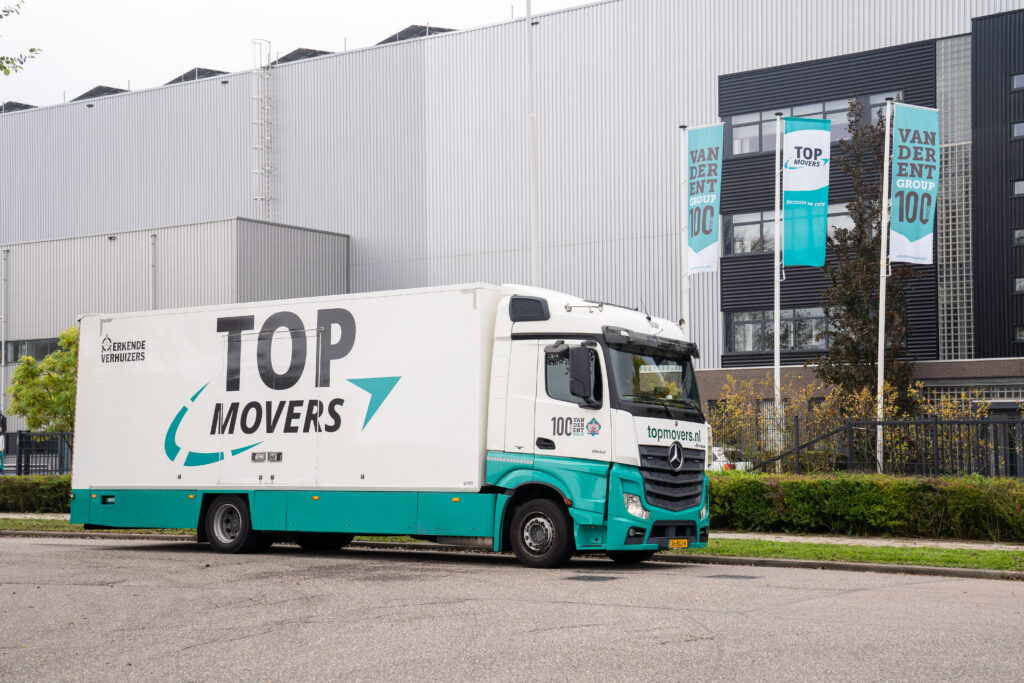
How will the truck toll change transport costs per shipment?
The truck toll adds a per-kilometre charge to every shipment by truck, so the cost per shipment rises with the distance driven and the weight and emission class of the vehicle. Carriers will pass this charge on to customers, either as a separate toll line or built into the rate. The effect varies a lot per shipment. A long route with a heavy, fully loaded truck carries a higher toll than a short trip with a lighter vehicle. Three factors drive your cost:- Distance: every kilometre on a toll-liable road adds to the charge.
- Vehicle weight and category: heavier trucks pay a higher rate than lighter ones.
- Emission class: cleaner vehicles pay less than diesel trucks with higher emissions.
Which transport and logistics costs will rise most?
Costs for heavy, long-distance and high-frequency road freight will rise most, because these shipments rack up the most toll kilometres. Groupage, bulk goods and regular distribution runs feel the charge more than short, occasional trips with light vehicles. In practice, you will notice the toll in these areas:- Frequent distribution and supply runs, where the toll repeats on every trip.
- Heavy loads and bulk transport, which use heavier vehicles in higher toll categories.
- Long domestic routes, where the number of toll kilometres adds up quickly.
- Storage and distribution chains, where goods move several times between warehouse, hub and customer.
Will the truck toll make office relocations more expensive?
Yes, the truck toll will likely add to the cost of an office relocation, because every move relies on trucks that pay per kilometre. The impact stays modest for most moves, since an office relocation involves a limited number of trips over a limited distance compared with daily distribution. How much extra you pay depends on the size and distance of your move. A short move within one city adds few toll kilometres. A larger project with many trucks, or a move between regions, adds more. Storage and extra transport legs between locations add to the total as well. The toll is one cost among several, so it should not drive your decision on its own. A well-planned move often saves more than the toll costs you. Efficient loading, fewer trips and a clear schedule reduce the number of kilometres driven. Cheap but poorly organised moves tend to cost more in the end through extra trips, delays and damage.How can companies limit the impact of the truck toll?
Companies limit the impact of the truck toll by driving fewer kilometres, loading trucks more fully, and choosing cleaner vehicles. Smart planning of routes, timing and consolidation of shipments lowers the number of toll-liable trips, which directly reduces the charge you pay. Practical steps you can take today:- Bundle shipments. Combine orders so one full truck replaces several half-empty ones.
- Plan routes and times. Shorter, smarter routes cut toll kilometres and fuel use.
- Plan your move well ahead. Early planning gives you room to pick efficient dates and avoid extra trips.
- Review storage and handling. Fewer transfers between locations mean fewer kilometres.
- Ask for transparent pricing. Make sure the toll appears clearly in every quote.
- Choose cleaner vehicles. Lower emission classes pay less toll.
Do zero-emission trucks pay less truck toll?
Yes, zero-emission trucks pay a lower truck toll rate than diesel trucks, because the charge is linked to the vehicle’s emission class. Electric trucks fall in the most favourable category, which makes them cheaper per kilometre and gives you a financial reason to choose sustainable transport. The Dutch toll uses emission classes so that cleaner vehicles pay less per kilometre. For you as a customer, this means the choice of vehicle changes your bill. A carrier with an electric fleet can charge a lower toll component than one running older diesel trucks, even on the same route. This also fits what businesses already want. Electric transport helps you report lower emissions and shows suppliers and employees that you take sustainability seriously. For city and last-mile moves, where distances are short and charging is easy, electric trucks work particularly well. When you compare moving partners, ask which part of their fleet drives emission-free and how that shows in your quote.What should businesses ask their moving partner about the toll?
Businesses should ask their moving partner how the toll is calculated, whether it appears as a separate line, which vehicles will be used, and what emission classes they fall into. These answers show you the real cost and let you compare quotes fairly. Use this checklist when you request offers:- How do you calculate the truck toll, per kilometre or as a fixed surcharge?
- Is the toll shown separately or included in the price?
- Which vehicles and emission classes will you use for our move?
- Do you offer zero-emission transport, and does it lower our toll?
- How do you limit extra kilometres through planning and loading?
- Can you support our CSRD and sustainability reporting with data?
Hoe wij helpen met wetswijzigingen zoals de vrachtwagenheffing
Een verhuizing is al stressvol genoeg, dus laten wij jullie niet zelf uitzoeken wat de vrachtwagenheffing betekent. Wij zijn een familiebedrijf met meer dan 100 jaar ervaring, hofleverancier en lid van Top Movers Nederland. Wij nemen de regelgeving uit handen, zodat jullie weten waar jullie aan toe zijn. Dit doen wij concreet voor jullie kantoorverhuizing:- Transparante offertes: wij laten duidelijk zien welke kosten bij transport horen, zodat je geen verrassingen krijgt.
- Zero-emissietransport: wij rijden met elektrische vrachtwagens, wat voor de tol een voordeel kan opleveren en past bij jullie duurzaamheidsdoelen.
- Slimme planning en verhuisregie: wij beperken het aantal ritten en kilometers met een goede voorbereiding en een uitgebreide verhuischecklist.
- Ondersteuning bij CSRD-rapportage: wij leveren inzicht in emissies en hergebruik, onder meer via het meubelpaspoort en Circular Connect.
- Eigen wagenpark en eigen opslag: wij houden de hele keten in eigen hand, van transport tot opslag, en dat scheelt overbodige kilometers.
Veelgestelde vragen
When should I start planning my office relocation to account for the truck toll?
Start at least 6 to 12 months ahead if your move falls on or after 1 July 2026. Early planning lets you request quotes that show the toll separately, compare carriers on equal terms, and pick a date and schedule that keep the number of trips and kilometres low. If your move is close to the start date, ask whether the quote is fixed or whether a toll surcharge can still be added later.
What if I signed a fixed-price moving contract before 1 July 2026?
Check the contract terms for a clause on regulatory changes, indexation or surcharges. Some carriers reserve the right to pass on new government levies like the truck toll, while others commit to a fixed total price. Ask your moving partner in writing whether the toll is included, so you know your budget is safe.
How can I compare quotes fairly when carriers handle the toll differently?
Ask every provider to state how they calculate the toll (per kilometre or fixed surcharge), whether it is a separate line, and which vehicles and emission classes they will use. Then put the totals side by side, including the toll. A quote that says nothing about the toll is not necessarily cheaper, it may just leave the surcharge for later.
Does the truck toll also apply to smaller vans used for small moves?
The toll applies to goods vehicles above a set weight, so lighter vans may fall outside the scheme while heavier moving trucks fall inside it. Check the current official criteria on weight and vehicle category, and ask your moving partner which vehicles they will use. For a small move, a lighter vehicle can sometimes reduce or avoid the toll, but only if it can carry the load in a reasonable number of trips.
What is the most common mistake companies make when budgeting for the toll?
The most common mistake is looking at the toll in isolation, or ignoring it altogether. A cheap quote with a poorly organised move can cost more through extra trips, delays and damage than the toll itself. Build a realistic budget that includes transport, storage, extra legs between locations and a margin for tariff changes, and focus on reducing kilometres through good planning.
How can I use the move to improve my CSRD reporting?
Ask your moving partner for data on emissions from transport, the share of zero-emission vehicles used, and the reuse of furniture and inventory. Fewer kilometres and electric transport lower your reported emissions, and reuse instead of disposal reduces waste. Request this data in a format you can add directly to your sustainability report, such as a summary with kilometres driven, vehicle types and reused items.
Will suppliers and other service providers also raise prices because of the toll?
Likely yes, at least partly. Suppliers, storage providers and installation or IT contractors that rely on road transport may pass on higher costs to cover the toll. When you plan a move, ask these parties about expected price changes, and try to bundle deliveries or schedule them on the same days to limit extra trips and the costs that come with them.
Gerelateerde artikelen
- Vrachtwagenheffing voor ondernemers: wat moet je als transportbedrijf weten?
- Truck Toll in the Netherlands: What Does It Mean for Transport and Logistics Companies?
- Overwerkvergoeding voor vrachtwagenchauffeurs: hoe zit het precies?
- Pensions for Truck Drivers: What Will Change From 2027?
- Phased relocation vs. one-shot relocation: what suits your business?
- Turnkey verhuizing of deeloplossingen: wat past bij jouw bedrijf?
- Wat doen verhuisbedrijven concreet aan duurzaamheid?
- What does a removal from the Netherlands to Spain cost on average?
- Regionale verhuizer vs. landelijke verhuizer: wat kies je voor je bedrijf?
- How do you transport your car when moving back from Spain to the Netherlands?
- Hoe vervoer je je auto mee bij een terugverhuizing van Spanje naar Nederland?
- Wat moet je regelen met je Spaanse bankrekening als je terugverhuist naar Nederland?
- Wat is de CO2-voetafdruk van een internationale verhuizing?
- Waarom emigreren zoveel Nederlanders naar Spanje?
- Wat dekt een verhuisverzekering precies?