
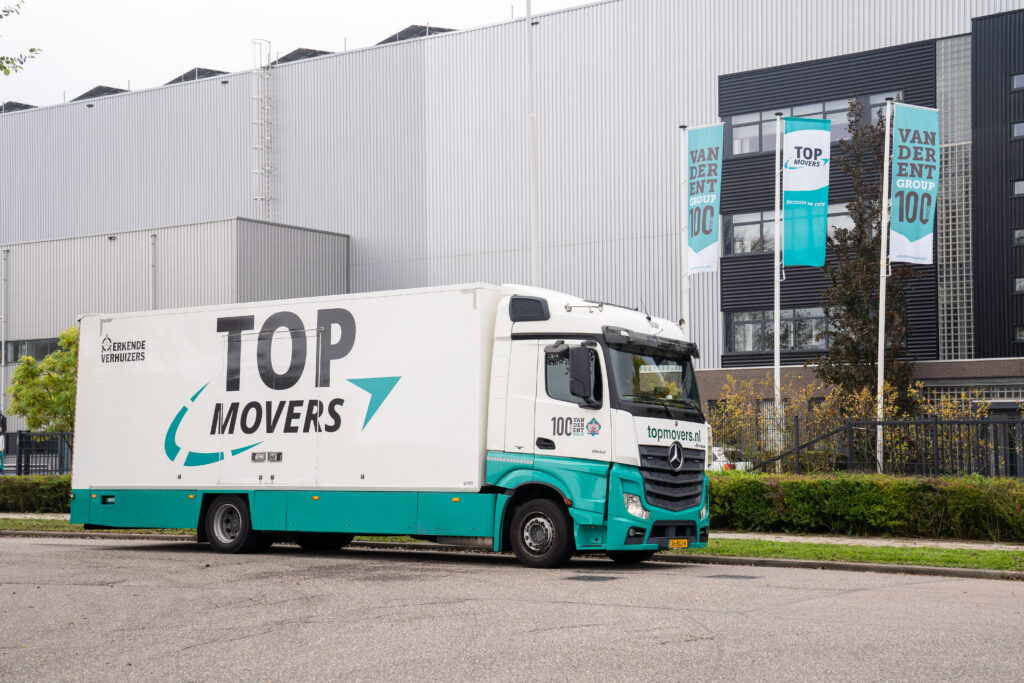
The Dutch truck toll (vrachtwagenheffing) makes every kilometer your heavy vehicles drive on Dutch roads a direct cost, charged per kilometer and tied to emission class. For your fleet, that means higher operating costs for older diesel trucks and a clearer financial case for zero-emission vehicles.
The impact differs per company, depending on how many kilometers you drive, which vehicles you use, and whether you run your own fleet or outsource transport. Below, we answer the questions facility managers and logistics decision makers ask most often.
How Is the Truck Toll Calculated for a Fleet?
The truck toll is a per-kilometer charge for heavy goods vehicles on Dutch roads. The rate depends on the vehicle’s weight class, its emission class (Euro class), and whether it is zero-emission. Cleaner trucks pay less per kilometer, while older, heavier diesel trucks pay the most.
For a fleet, the total toll cost follows a simple logic: kilometers driven × applicable rate per vehicle. Three factors determine the rate:
- Weight class: heavier trucks and combinations pay more per kilometer.
- Emission class: a Euro VI truck is cheaper than a Euro V or older truck.
- Zero-emission status: electric and hydrogen trucks fall in the most favorable category, as long as the current rules and any transitional arrangements apply.
Check the exact rates and start dates with the competent authorities, because rules and tariffs can still change. What you can do today is map your fleet by weight class, Euro class, and annual kilometers. That overview gives you the base for every calculation that follows.
Which Fleet Costs Will Rise Because of the Toll?
The toll directly raises the variable cost per kilometer, especially for older diesel trucks with high annual mileage. Indirectly, it also affects transport rates from carriers, the price of subcontracted logistics, and the total cost of every move, delivery, or storage transfer your company orders.
Look at these cost areas first:
- Direct toll costs for your own heavy vehicles.
- Carrier surcharges when your logistics partner passes the toll on in its rates.
- Route and planning costs if you need extra trips or longer routes to avoid tolled roads.
- Replacement costs when older vehicles lose their business case sooner than planned.
If you outsource transport, ask how your partner handles the toll. A transparent partner shows the toll as a separate line, so you can see what you pay for and compare it with last year.
Does the Toll Make Zero-Emission Trucks More Attractive?
Yes. The toll shifts the cost balance toward zero-emission trucks, because a lower per-kilometer rate for clean vehicles shortens the payback period. The higher the mileage, the more the toll advantage adds to existing savings on fuel and maintenance.
Whether an electric truck pays off for you depends on your use case. Electric trucks work best on predictable, regional routes with a return to base, such as office relocations in the Rotterdam port area, urban deliveries, or shuttle transport between locations. Long, irregular routes remain harder to electrify.
Weigh these points when you compare options:
- Annual kilometers per vehicle and the share driven on tolled roads.
- Charging infrastructure at your location or your partner’s depot.
- Range and payload compared with your actual daily routes.
- Subsidies, tax arrangements, and tariff advantages that apply at the time of purchase.
If buying is not yet realistic, working with a partner that already runs electric trucks gives you the same toll and emission benefit without the capital investment.
How Does the Toll Affect CSRD Reporting?
The toll does not change CSRD reporting rules, but it makes your transport data more valuable. CSRD requires insight into emissions across your value chain, including logistics. Toll data per vehicle and emission class gives you a concrete, verifiable basis for the transport part of your sustainability report.
For companies in the petrochemical sector and the Rotterdam port region, scope 3 emissions from transport often form a relevant part of the total footprint. Kilometers, vehicle types, and emission classes already appear in toll and invoice data. You can reuse that information instead of collecting it twice.
To keep your reporting manageable:
- Ask carriers for emission data per shipment or per project, not only per year.
- Store data by vehicle type, fuel type, and kilometers.
- Agree on one reporting format with every logistics partner.
- Check which of your own reporting obligations apply, since CSRD scope depends on company size and phase-in dates.
How Can Companies Reduce Toll Costs and Emissions?
You reduce toll costs and emissions most effectively by driving fewer kilometers with cleaner vehicles. Combine loads, plan routes smartly, renew the oldest vehicles first, and choose partners with zero-emission transport. These measures lower both your toll bill and your CO2 footprint at the same time.
Optimize planning and load
Fewer half-empty trips mean fewer toll kilometers. Bundle shipments, plan moves in clusters, and use digital planning tools to avoid unnecessary detours. Good preparation, such as a complete inventory before a relocation, prevents extra trips on the day itself.
Renew the fleet in the right order
Start with the vehicles that combine high mileage, a low emission class, and a heavy weight class. Those trucks produce the largest toll and emission savings per replaced vehicle. Vehicles with low mileage can stay in service longer.
Choose zero-emission transport where it fits
Use electric transport for urban and regional routes and keep conventional vehicles for the routes where range still limits you. Mixed fleets work well in practice, as long as you assign the right vehicle to the right job.
What Should Facility Managers Ask Their Logistics Partner?
Facility managers should ask their logistics partner how the toll appears in rates, which vehicles and emission classes carry out the work, and what emission data the partner can deliver. These three questions give you cost transparency and the information you need for CSRD reporting.
Use this checklist in your next conversation or tender:
- How do you calculate and show the toll in your quotation?
- Which share of the work do you carry out with zero-emission vehicles?
- Can you provide CO2 data per project, in a format we can use for CSRD?
- Which environmental certifications do you hold, such as ISO 14001 or the CO2 Performance Ladder?
- How do you reduce kilometers through route planning and load bundling?
- Which options do you offer for reusing or recycling office furniture?
A partner who answers these questions concretely and in writing already works in a way that fits sustainable procurement.
Hoe Van der Ent helpt met wetswijzigingen
Regelgeving rond vrachtwagenheffing en CSRD verandert snel, en dat kost jullie tijd om bij te houden. Wij nemen een groot deel van die zorg uit handen. Als familiebedrijf met meer dan 100 jaar ervaring, hofleverancier en lid van Top Movers Nederland, combineren we betrouwbaarheid met een duurzame werkwijze.
Dit kunnen we voor jullie doen:
- Zero-emissietransport: we rijden met elektrische vrachtwagens, zodat jullie verhuizing minder uitstoot en minder heffingsrisico oplevert.
- Inzicht voor CSRD: we ondersteunen bij duurzaamheidsrapportage en leveren de gegevens die jullie nodig hebben.
- Meubelpaspoort via Circular Connect: jullie krijgen inzicht in het hergebruik van kantoormeubilair en zien welke CO2-winst dat oplevert.
- Gecertificeerde werkwijze: ISO 14001, ISO 9001, VCA en de CO2-prestatieladder geven jullie zekerheid bij aanbestedingen en inkoop.
- Volledige ontzorging: van verhuisregie en planning tot opslag en handyman-diensten, met één vast aanspreekpunt.
Plan je een kantoorverhuizing en wil je weten wat de vrachtwagenheffing voor jullie betekent? Neem contact met ons op voor een vrijblijvend gesprek. We denken graag met jullie mee over een duurzame, goed voorbereide verhuizing.
Veelgestelde vragen
How do I get started calculating what the truck toll will cost my fleet?
Start by building a simple fleet overview in a spreadsheet: list each heavy vehicle with its weight class, Euro class, fuel type, and annual kilometers, including the share driven on Dutch roads that will be tolled. Multiply the kilometers by the applicable per-kilometer rate once you have confirmed current tariffs with the competent authorities. Run the calculation for several scenarios, such as keeping your current fleet versus replacing the oldest vehicles, so you can see where the biggest savings are.
What if I outsource all my transport and don't own any trucks?
You will still feel the toll, but indirectly through your carrier’s rates and surcharges. Ask your logistics partner to show the toll as a separate line item in every quotation, and request details on which vehicles and emission classes will carry out your work. Comparing these lines year over year helps you spot unjustified increases and rewards partners who use cleaner vehicles.
How do I know whether an electric truck is realistic for my routes?
Compare the truck’s real-world range and payload with your actual daily routes, not your longest exceptional trip. Electric trucks work best on predictable regional or urban routes with a return to base where charging is available. If the numbers are close, pilot one vehicle on your most suitable route, or work with a partner who already runs electric trucks before committing to a purchase.
What are the most common mistakes companies make when preparing for the truck toll?
The most common mistakes are waiting for final tariffs before gathering any data, replacing vehicles based on age rather than mileage and emission class, and ignoring indirect costs from carriers. Another frequent error is treating toll and CSRD data as separate projects, which leads to collecting the same information twice. Start with a clear data overview and prioritize vehicles with high mileage, low emission class, and heavy weight.
Can I reuse toll and invoice data for my CSRD scope 3 reporting?
Yes, kilometers, vehicle types, and emission classes already appear in toll and carrier invoice data, so you can reuse them for the transport part of your scope 3 emissions. Agree on a single reporting format with each logistics partner and ask for data per shipment or project rather than only a yearly total. Also verify whether CSRD applies to your company and from which phase-in date, since that depends on company size.
What should I do if my logistics partner can't provide emission data or toll transparency?
Put your requirements in writing and set a deadline, referring to the checklist of questions on toll calculation, zero-emission share, and CO2 data per project. If the partner still cannot deliver, include these criteria as mandatory requirements in your next tender, along with certifications such as ISO 14001 or the CO2 Performance Ladder. Over time, switching to a partner who can document this will protect both your budget and your reporting.
How can I keep up with changing toll rules and start dates?
Rules and tariffs can still change, so assign one person or team to monitor official government communications and industry bodies such as transport associations. Review your fleet calculations whenever new rates or transitional arrangements are published. Alternatively, work with a logistics partner who tracks these changes for you and updates you on the impact on your costs.
Gerelateerde artikelen
- Truck Toll 2026: What Are the Consequences for Transport Costs?
- Nulurencontracten in de transportsector: wat gaat er veranderen?
- Overwerkvergoeding voor vrachtwagenchauffeurs: hoe zit het precies?
- Furniture passport and circularity: which removal companies can help with this?
- Hoe werkt aanbesteden versus onderhands gunnen bij een kantoorverhuizing?
- Hoe verhuist een restaurant of horecabedrijf zonder omzetverlies?
- How do you register a business relocation with the KvK?
- Wat zijn de meest onderschatte taken bij een bedrijfsverhuizing?
- Wie regelt de kabels bij een bedrijfsverhuizing? Dit moet je vooraf afspreken
- Hoe ga je om met klanten die je nieuwe adres niet kunnen vinden?
- Wat moet je regelen als je vanuit Spanje terugverhuist naar Nederland?
- Hoe weet je of een verhuisbedrijf betrouwbaar is voor een buitenlandse verhuizing?
- Wat is het voordeel van een verhuisbedrijf met eigen opslag?
- Hoe werkt een voorinspectie bij een internationale verhuizing?
- Wanneer heb je een relocation service nodig bij een internationale verhuizing?